 August 27, 2026
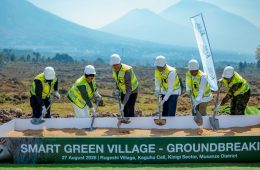
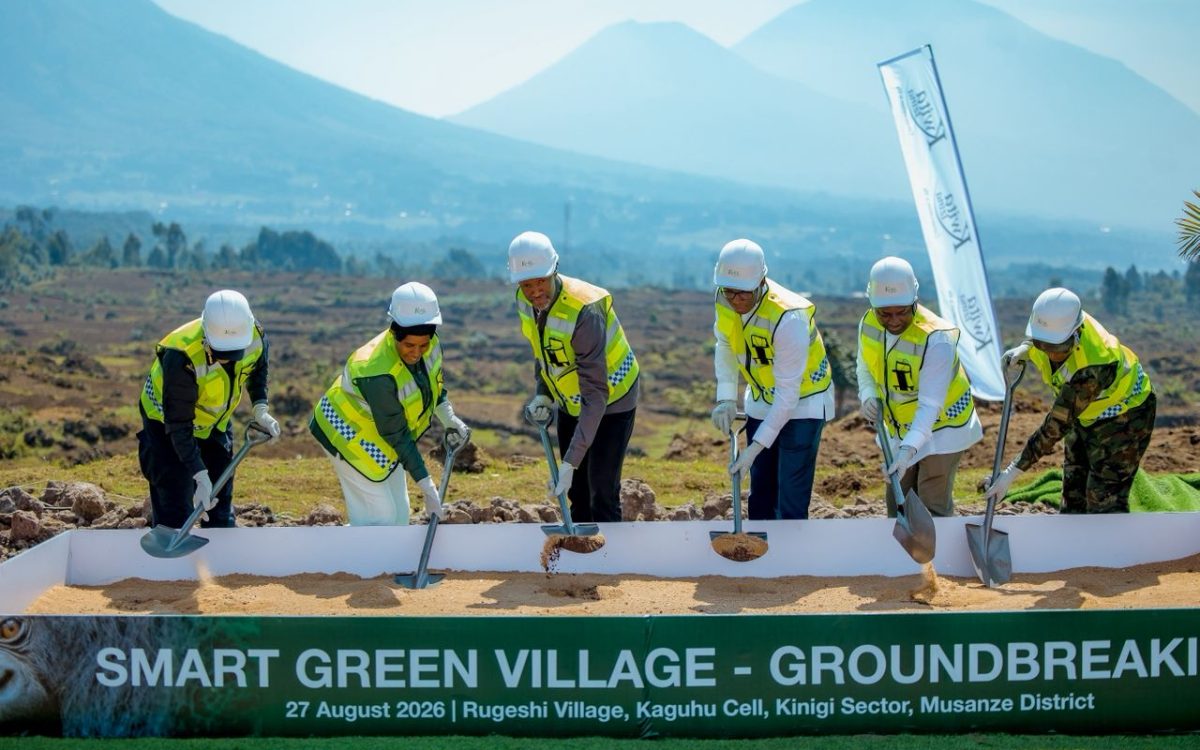
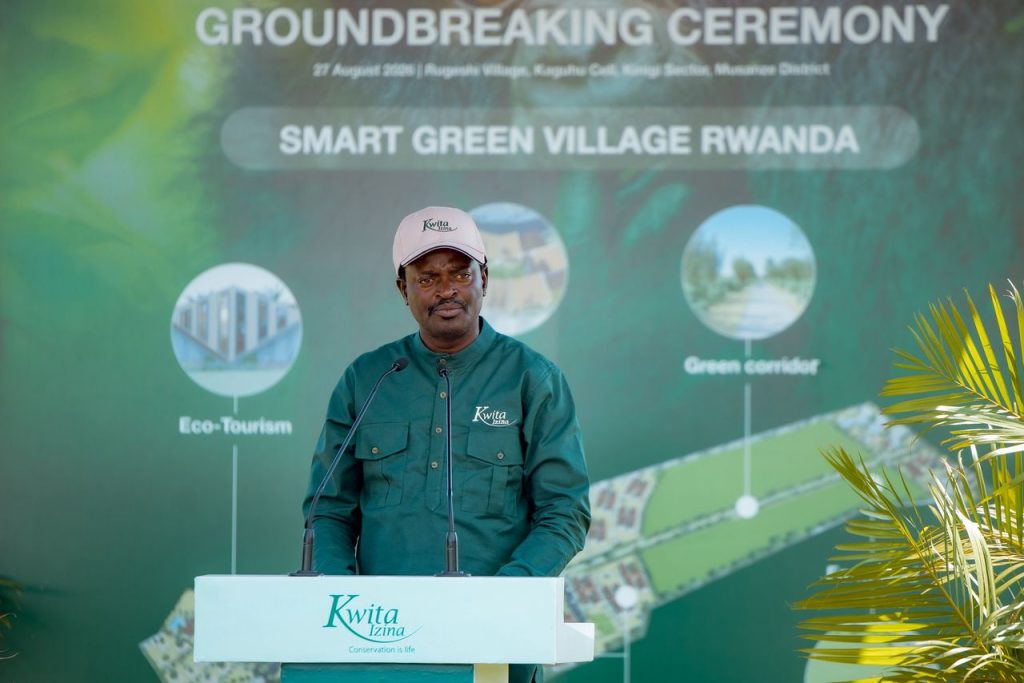
Kinigi, Rwanda | 27 August 2026 – Today, the Government of Rwanda launched construction of the Smart Green Village in Rurembo, Kinigi Sector, Musanze District. Representing an investment of over USD 49 million, the project will provide 547 households with modern housing, essential services and sustainable livelihood opportunities, while integrating climate-smart agriculture, renewable energy and tourism-based economic opportunities.
The groundbreaking ceremony was held alongside the presentation of Tourism Revenue Sharing Programme allocations to districts neighbouring Volcanoes National Park, bringing together two initiatives that demonstrate Rwanda’s community-centred approach to conservation and tourism.
The activities form part of celebrations leading up to the 21st Kwita Izina Gorilla Naming Ceremony, taking place on 4 September 2026 under the theme “Conservation is Life: Sustaining the Future.”
Speaking as Guest of Honour, Dominique Habimana, Minister of Local Government, said:
“The development of our communities must go hand in hand with protecting the environment. This project reflects Rwanda’s commitment to putting citizens at the centre of development while creating communities with better infrastructure, services, livelihoods, cleanliness and security.
The homes and infrastructure being built here belong to the communities. I encourage residents to take ownership of them, participate in their development and protect them so that this village remains clean, safe, sustainable and a place where families can thrive.”
Jean-Guy Afrika, CEO of the Rwanda Development Board (RDB), said:
“The Smart Green Village represents our shared vision that conservation and community development must go hand in hand. It will provide families with better housing, modern infrastructure, essential services and economic opportunities, while promoting sustainable agriculture, climate resilience and environmental protection.
For the past 20 years, communities living around Rwanda’s national parks have benefited from tourism revenue sharing. This programme has supported nearly 1,300 projects with more than Rwf 23 billion, strengthening education, healthcare, water access and livelihoods while making communities true partners in conservation.”
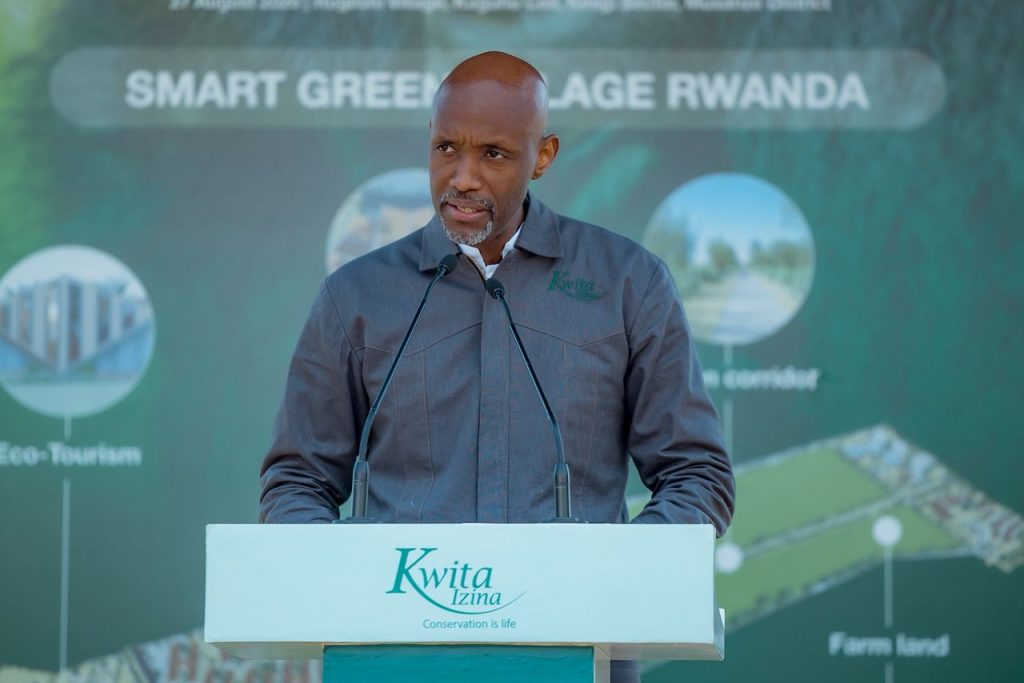
Supporting the expansion of Volcanoes National Park
The Smart Green Village is a key component of the Volcanoes Community Resilience Project, supporting Rwanda’s long-term plan to expand Volcanoes National Park by approximately 3,740 hectares and establish approximately 6,620 hectares of buffer zones.
The wider programme aims to improve livelihoods for more than 17,000 people, representing approximately 3,400 households, while increasing wildlife habitat, strengthening biodiversity conservation, enhancing tourism experiences and creating new economic opportunities for surrounding communities. The programme is estimated to cost approximately USD 300 million and will be implemented over 10 years.
The first implementation phase covers approximately 450 hectares and affects 547 households currently living within the pilot expansion area.
The Government has acquired a 50-hectare relocation site in Rurembo Village, where it will develop the Smart Green Village. Compensation for the relocation site is complete, while compensation within the park expansion area is ongoing.
For families relocating to the village, the project is expected to improve access to essential services while creating safer living conditions and new livelihood opportunities.
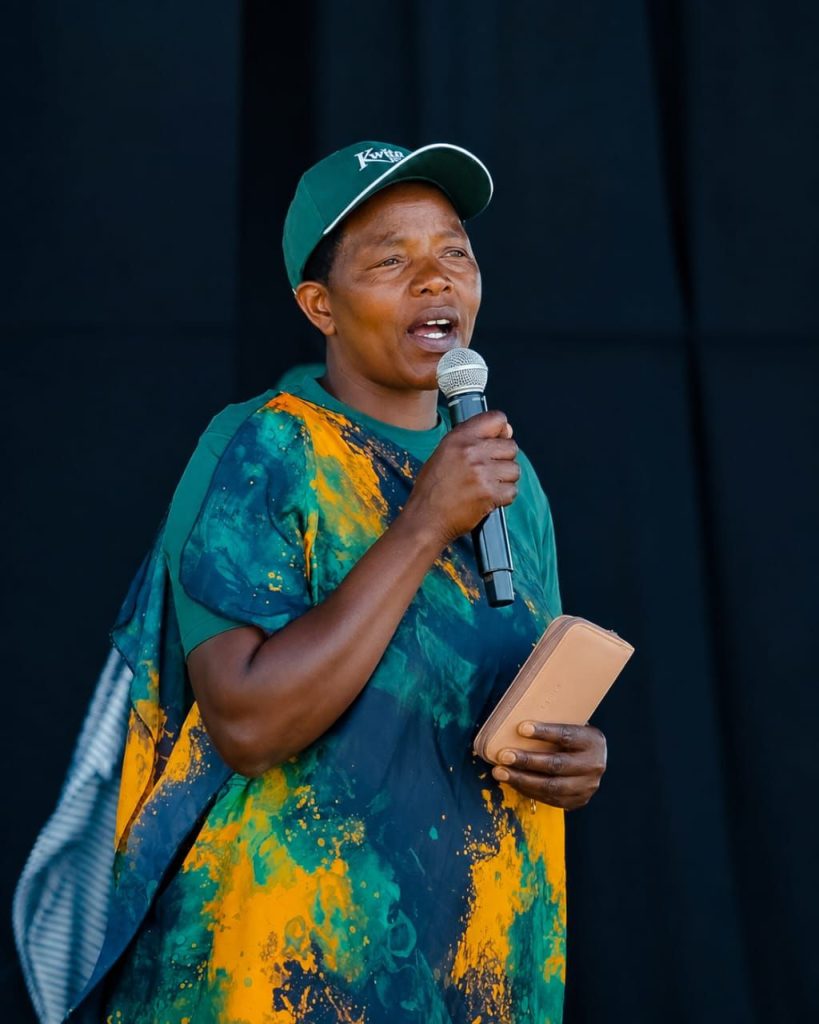
Esther Mukamakuza, a beneficiary of the Smart Green Village, said:
“I thank the Government of Rwanda for recognising that women also have a voice and a role to play in development. Today, I understand that, as a woman, I can set goals, make decisions, and contribute to my family’s progress.
We have learned that this new village will bring many positive changes to our lives. We will have access to schools, health centres, roads and cleaner cooking solutions, which will make life easier for women and families. We are grateful to see a future where our needs are considered and where we can also contribute to the development of our community.”
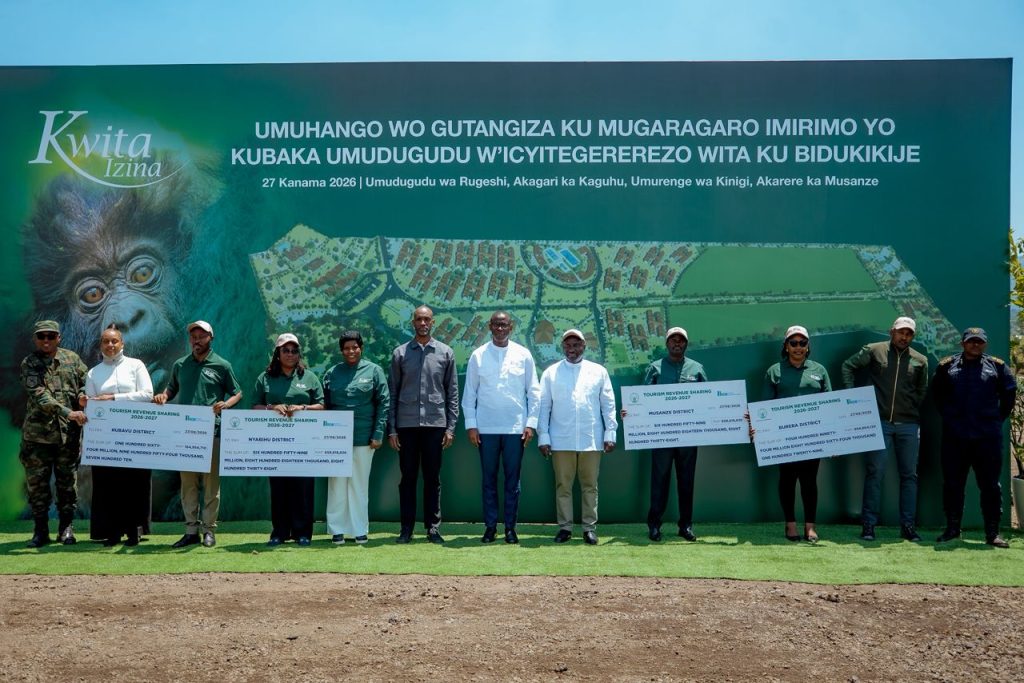
Sharing the benefits of tourism and conservation
During the event, this year’s Tourism Revenue Sharing Programme allocations highlighted another key element of Rwanda’s community-centred conservation model.
Through the programme, Rwanda reinvests 10 per cent of tourism revenues generated by its national parks in development initiatives that benefit surrounding communities.
Over the past 20 years, more than RWF 23 billion has been reinvested in communities through the programme, supporting priorities including education, healthcare, water access and livelihoods.
For the districts neighbouring Volcanoes National Park, a total of approximately RWF 1.98 billion has been allocated this year as follows:
- Burera District: RWF 495 million
- Musanze District: RWF 659.8 million
- Nyabihu District: RWF 659.8 million
- Rubavu District: RWF 164.95 million
The allocations will support community development priorities across the four districts, ensuring that revenues generated through tourism continue to contribute directly to communities neighbouring the park.
Maurice Mugabowagahunde, Governor of Northern Province, said:
“The benefits generated by Volcanoes National Park reach communities through jobs, businesses and tourism revenue sharing. Since the programme began, 838 projects worth Rwf 8.6 billion have been supported, demonstrating that the park belongs to the communities and contributes to their development.
The expansion of Volcanoes National Park and this project will help address limited agricultural land while reducing human-wildlife conflict. It will give communities more space to live and farm safely while creating better conditions for conservation.”
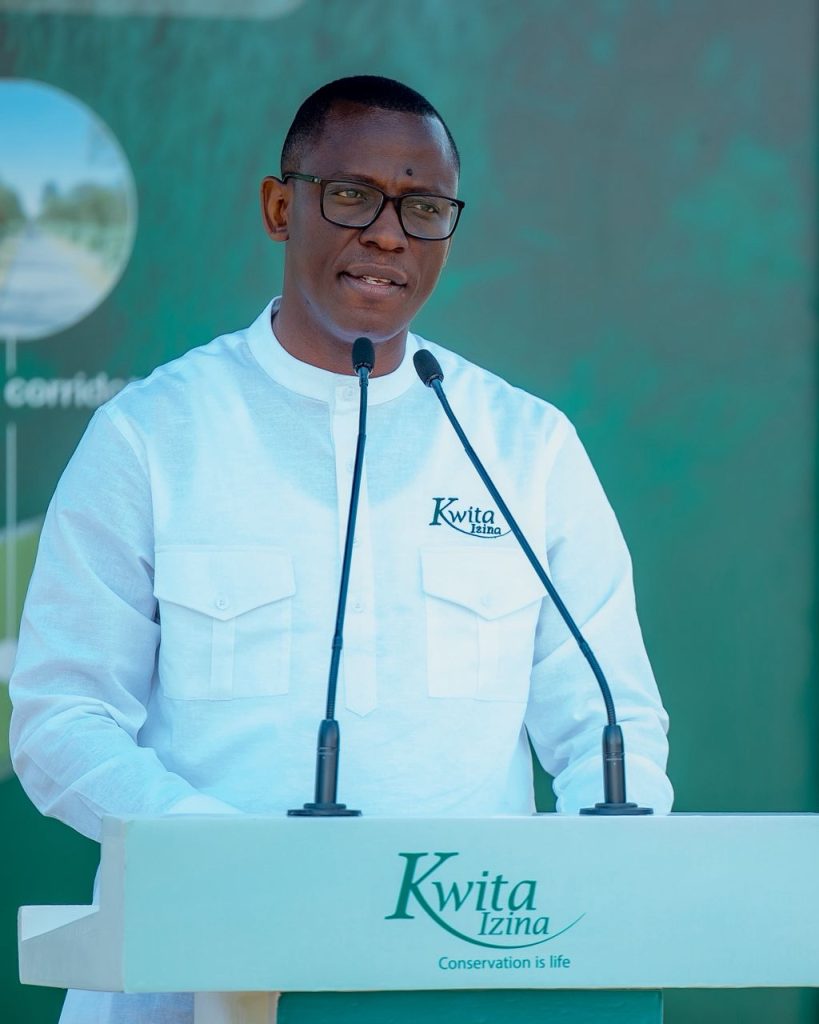
A model green community
The development will bring together modern housing, water and sanitation, electricity, health and education facilities, community spaces and green infrastructure.
It will incorporate climate-smart agriculture, greenhouses, irrigation and agricultural processing facilities, renewable energy, eco-lodges and community tourism facilities, rainwater harvesting, wastewater treatment and reuse, solid waste management and energy-efficient building technologies.
The project is expected to create employment during construction and operation, improve access to essential services and infrastructure, increase household income opportunities and food security, and contribute to Rwanda’s wider green growth and climate resilience agenda.
Claudien Nsengimana, Mayor of Musanze, said:
“This project is a major step in advancing sustainable tourism in Musanze and across Rwanda. Tourism not only contributes to biodiversity conservation but also puts community well-being at the centre.
As Musanze District, we are pleased that this project will support families relocated as part of the expansion of Volcanoes National Park by providing them with a model village equipped with the essential facilities needed for a dignified and sustainable life.”
Together, the two initiatives reflect the principle behind this year’s Kwita Izina theme, “Conservation is Life: Sustaining the Future,” placing communities at the heart of Rwanda’s continued progress in conservation and sustainable tourism.
About Kwita Izina
Kwita Izina, meaning “to give a name” in Kinyarwanda, is Rwanda’s annual Gorilla Naming Ceremony, inspired by the centuries-old Rwandan tradition of naming children soon after birth.
Since becoming an official annual event in 2005, Kwita Izina has grown into an international platform that celebrates Rwanda’s conservation achievements and recognises the important role of communities and partners in protecting mountain gorillas and their habitat.
The 21st Kwita Izina Gorilla Naming Ceremony will take place on 4 September 2026 in Kinigi, Musanze District, under the theme “Conservation is Life: Sustaining the Future.”
Follow Kwita Izina on Instagram and X and visit www.kwitaizina.rw for more information.
For media inquiries, please email: communications@rdb.rw